Where Australians Actually Walk: The Top Suburbs Revealed

May 7, 2026

New data reveals where Australians actually walk the most. Explore the top walking suburbs nationwide and download the full report.

Walkability is often discussed in theory - density, land‑use mix, proximity to services. But where do Australians actually walk the most?

To answer that, we analysed walking activity across 370 suburbs nationwide, using observed foot traffic data that captures pedestrian movement from residents, workers, visitors and tourists alike.

We analysed over 370 top performing Australian suburbs to find out where people walk most.

The result is a data‑driven snapshot of Australia’s walking economy in 2026: revealing not just the obvious CBDs, but also emerging suburban and regional hotspots.

How the analysis was done

This analysis uses Planwisely Foot Traffic Data, which measures real pedestrian movement rather than relying on proxy indicators like population or density.

Walking activity was aggregated across hundreds of suburbs in capital cities and key regional centres, allowing patterns to be compared consistently across the country.

Australia's Top Walking Suburbs: Planwisely Data Report
Download report

Australia’s Top 10 Walking Suburbs

Based on total observed walking activity, these are the suburbs where Australians walk the most:

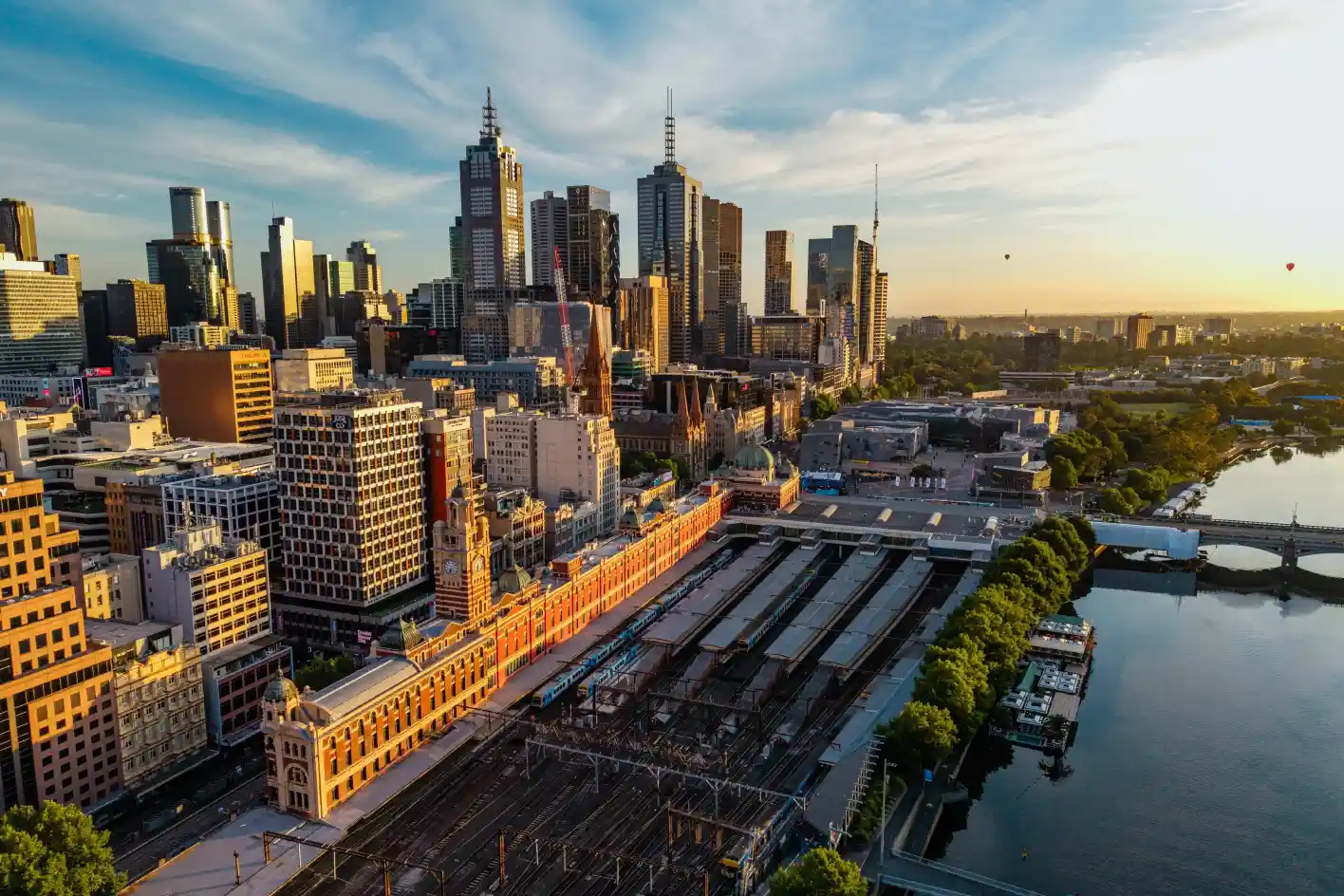
  1. Melbourne CBD
  2. Sydney CBD
  3. Perth CBD
  4. Brisbane CBD
  5. Adelaide CBD
  6. Southbank (Melbourne)
  7. Docklands (Melbourne)
  8. Haymarket (Sydney)
  9. Surfers Paradise (Gold Coast)
  10. Richmond (Melbourne)

Unsurprisingly, CBDs dominate the top of the ranking, but the list already hints at deeper dynamics:

  • Melbourne accounts for a larger share of the top performers
  • Tourism‑driven precincts rival traditional commercial centres
  • Inner‑suburban destinations can match or exceed entire city centres for walking activity
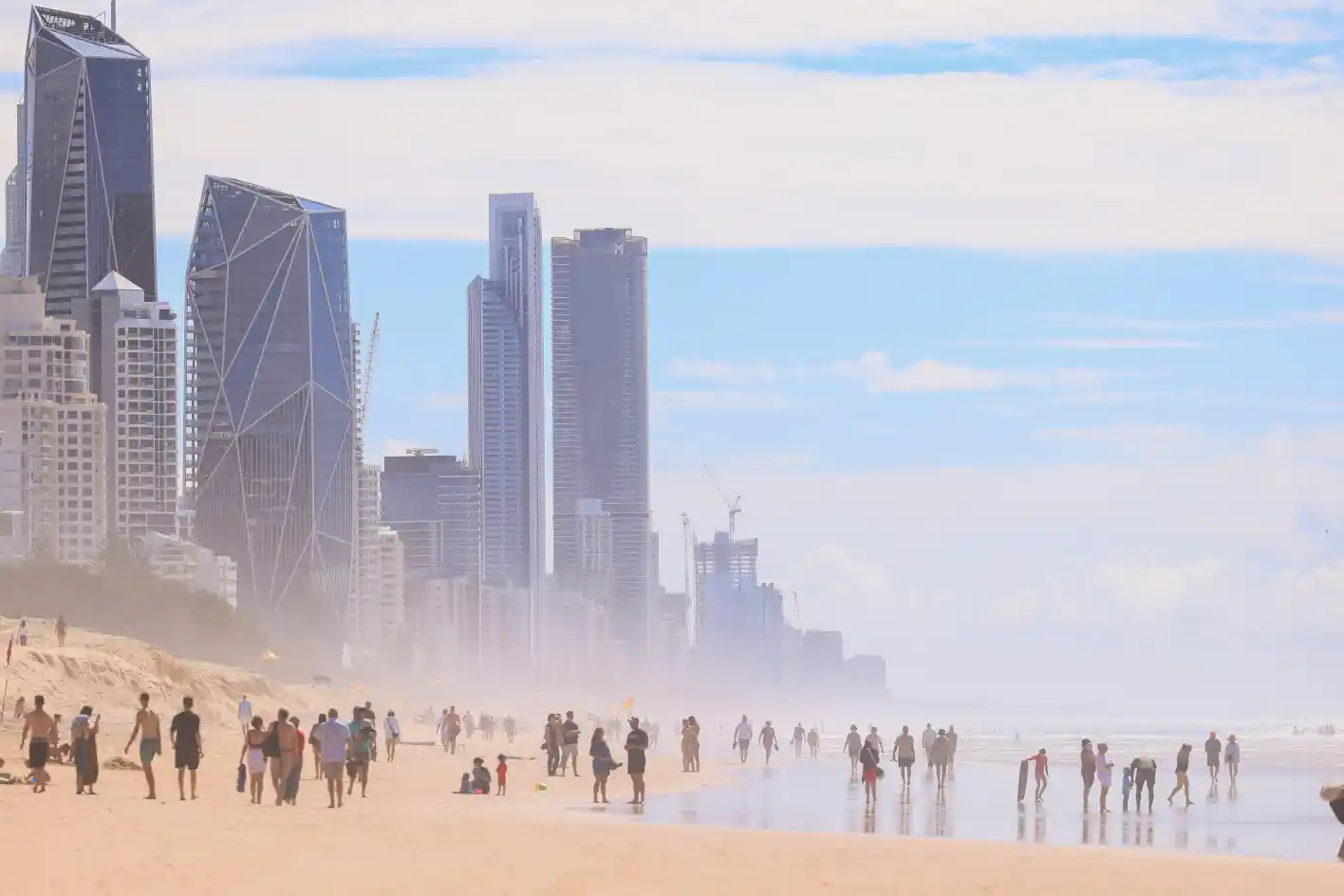
Outside of CBD dominance, suburbs such as Surfers Paradise show the pedestrian power of tourism destinations.

What the top 10 doesn’t show

While total walking volume tells an important story, it’s only part of the picture.

Across the full dataset, several patterns emerge that aren’t visible from the headline ranking alone:

  • Small, compact suburbs generating exceptionally high walking intensity per square kilometre
  • Secondary CBDs emerging as major pedestrian destinations in their own right
  • Regional centres producing walking volumes comparable to inner‑city suburbs
  • Tourist precincts where walking activity far exceeds what local population would suggest

These insights have major implications for how walking infrastructure, retail networks and activity centres are planned.

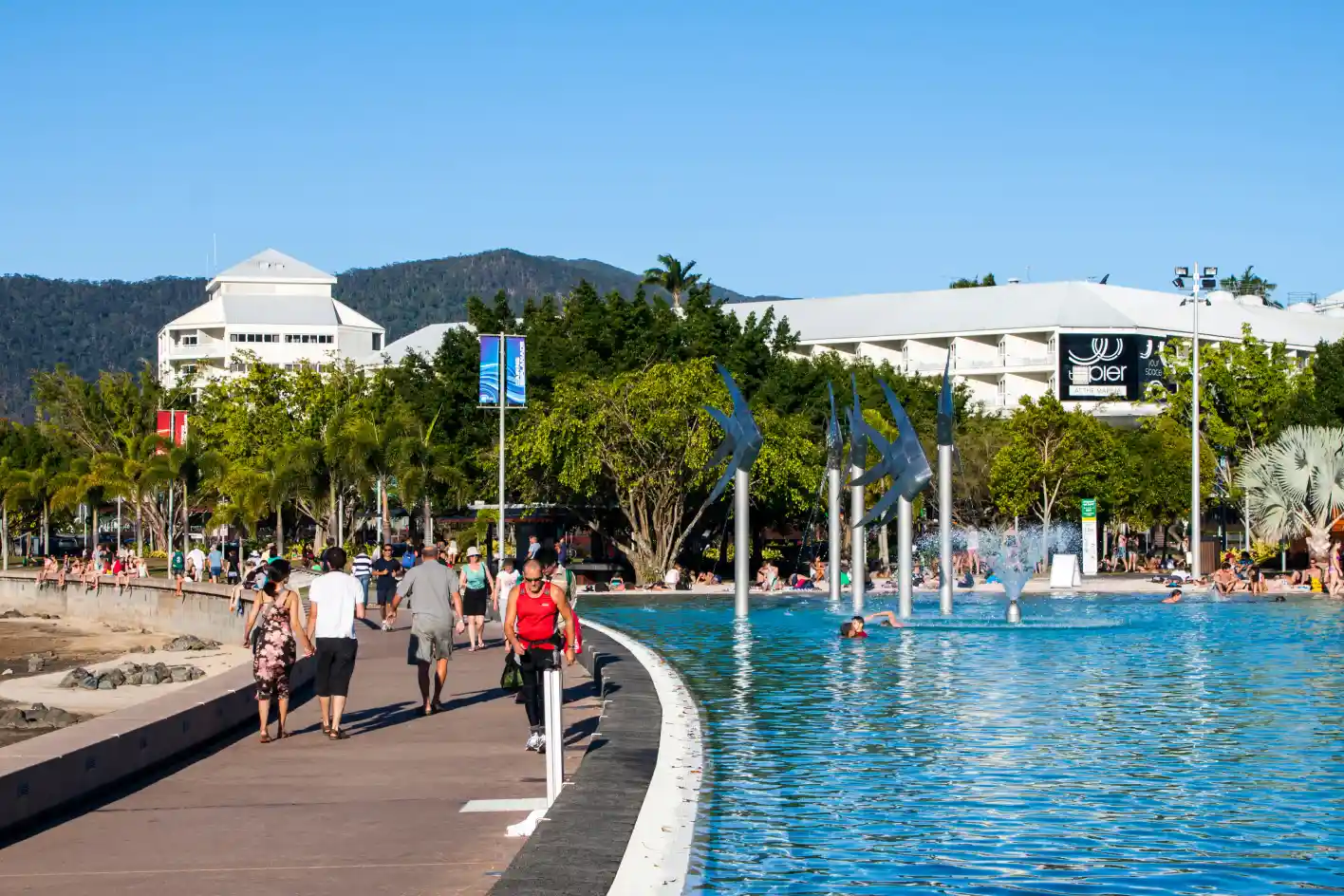
Our latest data report shows that Australia's regional centres have strong walk activity.

Why these insights matter

Understanding how and where people truly move on foot supports better decisions across sectors:

  • Councils and government agencies can align investment with real walking demand
  • Retail and QSR operators can identify high‑footfall locations beyond obvious CBDs
  • Property developers can better assess mixed‑use viability and placemaking outcomes

In all cases, observed behaviour provides a stronger base of evidence than assumptions alone.

Want to explore the full findings?

The full Australia’s Top Walking Suburbs report explores:

  • Top walking suburbs by city
  • Walking intensity vs volume comparisons
  • Hidden high‑performers outside capital city cores
  • Regional walking hotspots across Australia
Download the free report to explore the complete dataset and insights.
Australia's Top Walking Suburbs: Planwisely Data Report
Download report

Want to get started with Planwisely?

Use powerful geospatial datasets to uncover insights, guide your decision-making process and deliver better outcomes for your project today.